Archives
- 2026-06
- 2026-05
- 2026-04
- 2026-03
- 2026-02
- 2026-01
- 2025-12
- 2025-11
- 2025-10
- 2025-09
- 2025-03
- 2025-02
- 2025-01
- 2024-12
- 2024-11
- 2024-10
- 2024-09
- 2024-08
- 2024-07
- 2024-06
- 2024-05
- 2024-04
- 2024-03
- 2024-02
- 2024-01
- 2023-12
- 2023-11
- 2023-10
- 2023-09
- 2023-08
- 2023-07
- 2023-06
- 2023-05
- 2023-04
- 2023-03
- 2023-02
- 2023-01
- 2022-12
- 2022-11
- 2022-10
- 2022-09
- 2022-08
- 2022-07
- 2022-06
- 2022-05
- 2022-04
- 2022-03
- 2022-02
- 2022-01
- 2021-12
- 2021-11
- 2021-10
- 2021-09
- 2021-08
- 2021-07
- 2021-06
- 2021-05
- 2021-04
- 2021-03
- 2021-02
- 2021-01
- 2020-12
- 2020-11
- 2020-10
- 2020-09
- 2020-08
- 2020-07
- 2020-06
- 2020-05
- 2020-04
- 2020-03
- 2020-02
- 2020-01
- 2019-12
- 2019-11
- 2019-10
- 2019-09
- 2019-08
- 2019-07
- 2019-06
- 2019-05
- 2019-04
- 2018-11
- 2018-10
- 2018-07
-
There is increased awareness of HBV reactivation in
2022-04-11
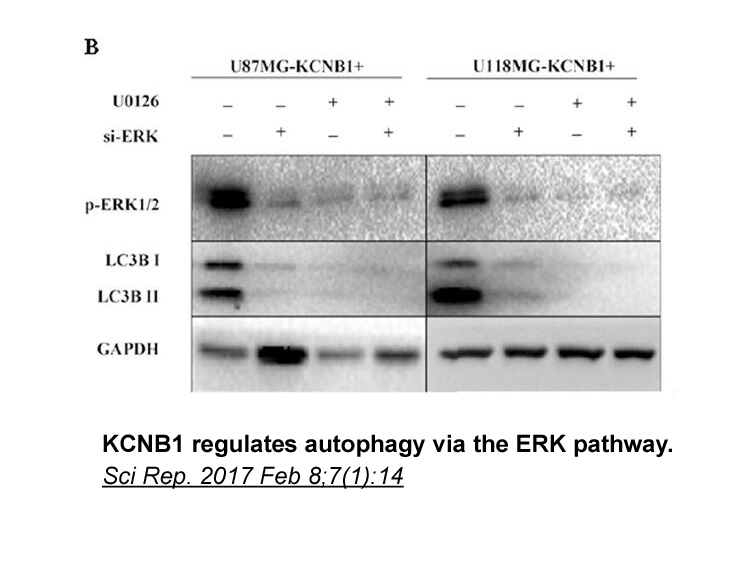
There is increased awareness of HBV reactivation in chronic HCV/HBV co-infected patients treated with DAAs [1], [2]. The recent emergence of this adverse event of DAA therapy is due to the exclusion of HBV co-infected subjects from registration clinical trials evaluating the safety of these treatmen
-
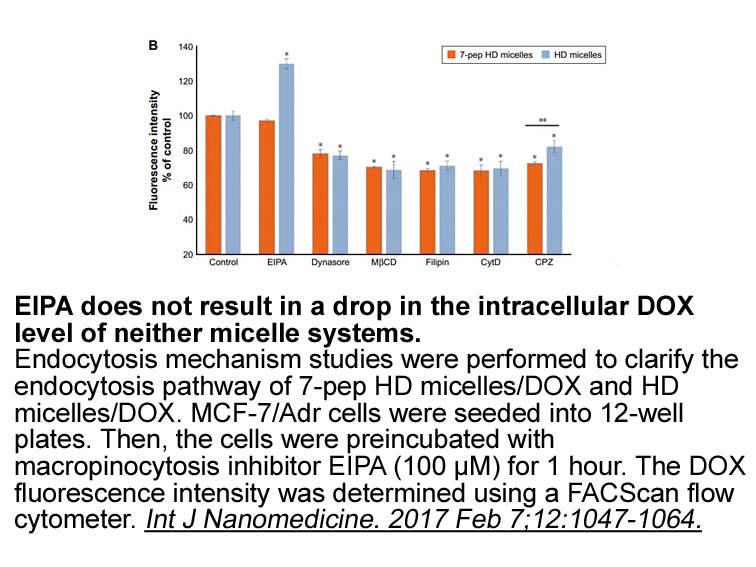
EIPA Significan http www apexbt com media
2022-04-11
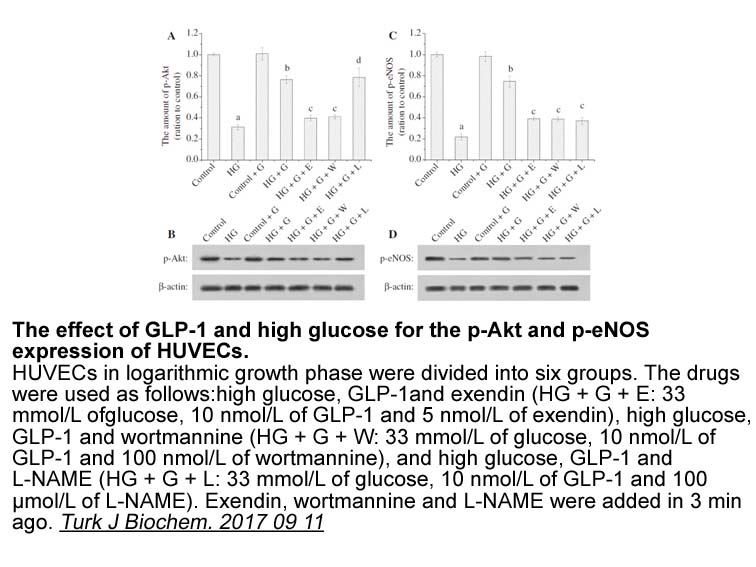
Significant DNA damage was observed in hemolymph of molluscs exposed to raw composite tannery effluent as evident from comet assay images. DNA damage was evaluated by the presence of tail resembling that of comet in single strand DNA. Break in DNA strand was reported in the liver and gill EIPA of c
-
The fibulins are a newly abundantly in the basement membrane
2022-04-11
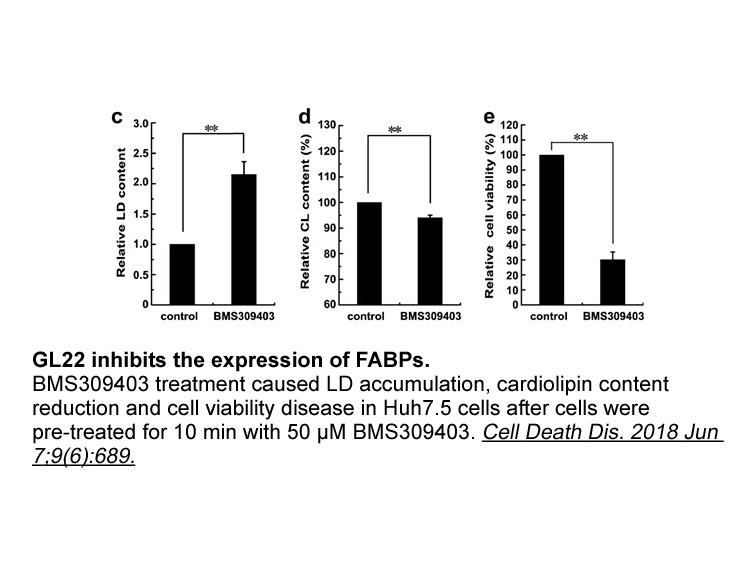
The fibulins are a newly abundantly in the basement membrane of blood vessels. Among them, fibulin-1 is essential for elastin polymerization. Tropoelastin cannot be assembled into mature elastin fibrils without the functional fibulin-1. In adult blood vessels, pronounced fibulin 1 deposition can be
-
Bioinformatic analysis revealed a putative coiled coil SLD
2022-04-11
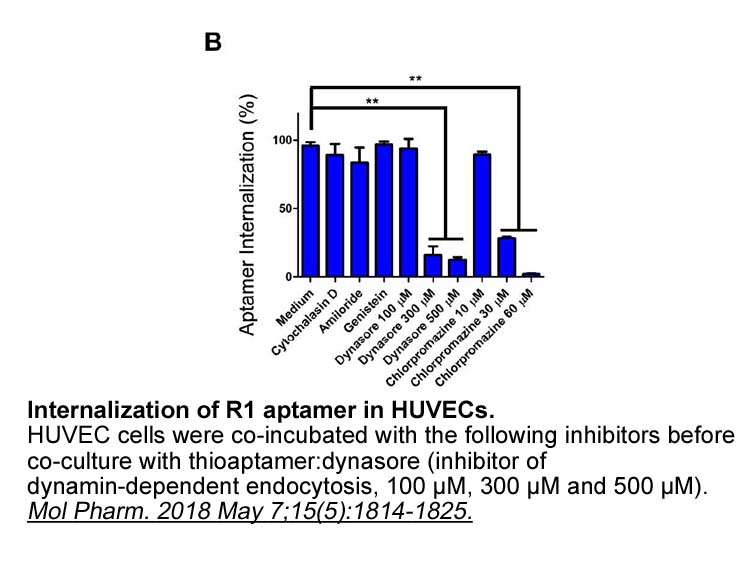
Bioinformatic analysis revealed a putative coiled-coil SLD within CT229 which we show to be essential for intracellular replication and recruitment of Rab GTPases to the inclusion. Mutation of a single amino WAY-262611 residue in the SLD domain (CT229L120D) significantly reduced Rab binding and recr
-
Among prostaglandins PG PGD remained the most
2022-04-11
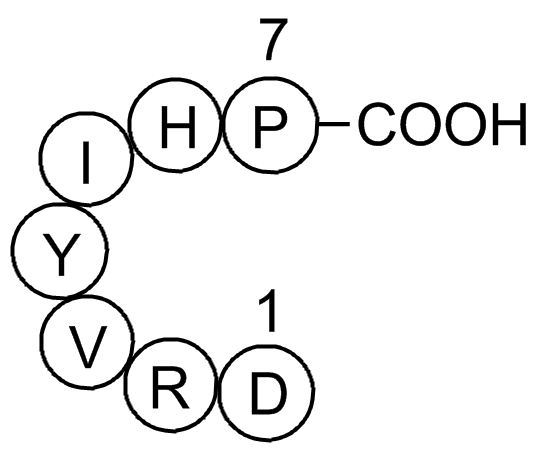
Among prostaglandins (PG), PGD2 remained the most elusive species for a long time and was initially regarded as having negligible biological activity [1]. In 1974 its inhibitory effect on platelet aggregation was discovered by Smith et al. [2] and Mills & McFarlain [3], and both pressor and depresso
-
GPR detection by reverse transcription polymerase chain reac
2022-04-11
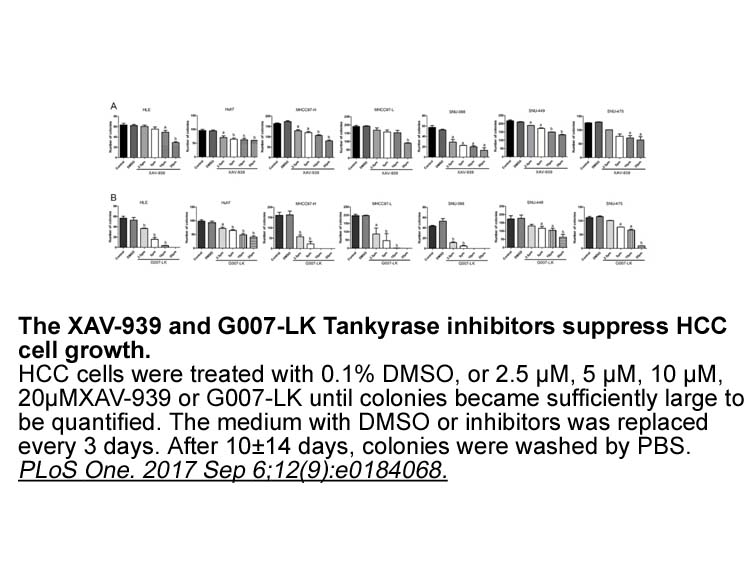
GPR35 detection by reverse transcription-polymerase chain reaction (RT-PCR). Total RNA of cultured DRG neurons was extracted using the RNAqueous kit (Ambion). Complementary DNA (cDNA) was synthesized from 1μg of isolated total RNA with SuperScript III reverse transcriptase (Invitrogen). An aliquot o
-
br Discussion CHO K cell lines stably expressing
2022-04-11
Discussion CHO-K1 cell lines stably expressing each of the NH2-terminal isoforms of the human glycine reuptake transporter GlyT1 have been developed. GlyT1 uptake assays have been validated for two lines for each isoform, one low and high expressor. Expression levels in the lines have been confir
-
The GlyR is pentameric with each
2022-04-11
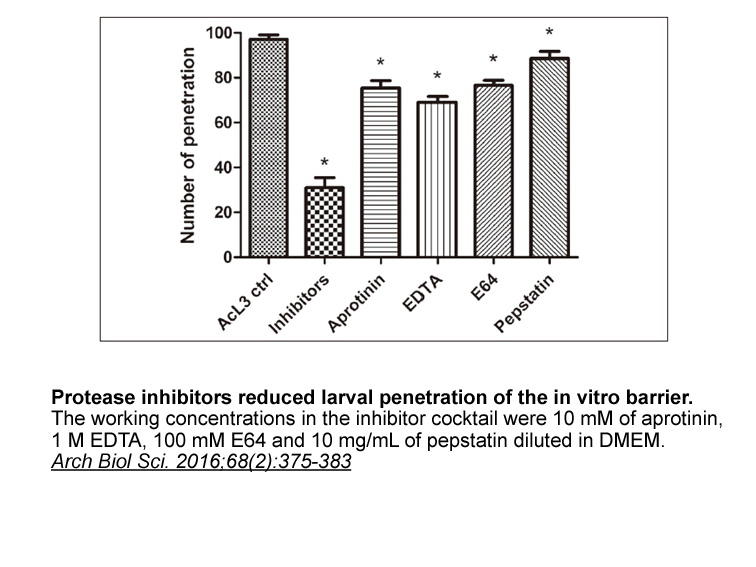
The GlyR is pentameric, with each subunit consisting of an extracellular ligand binding domain (LBD), four transmembrane (TM) segments, and a large intracellular loop between TM3 and TM4. Binding of neurotransmitter produces conformational changes that are rapidly transmitted to the membrane-spannin
-
GK allosteric activators validate the importance
2022-04-09
GK allosteric activators validate the importance of GK from a therapeutic perspective, but the nature of allosteric activation of GK remains unclear. The GK allosteric activator site, the pocket where GKAs bind, is ~20 Å remote from the active site (Fig. 1A). The allosteric site is the locus of man
-
GHSR A s have high levels of constitutive activity and
2022-04-09
GHSR-1A's have high levels of constitutive activity and recent investigations show that constitutively active GHSR-1As in the absence of ligand (ghrelin) binding can have effects on feeding and energy balance (Mear et al., 2013, Petersen et al., 2009). Furthermore, GHSR-1As are capable of dimerizing
-
The secretase complex comprises four
2022-04-09
The γ-secretase complex comprises four core subunits: presenilin (PS), nicastrin (NCT), anterior pharynx-defective 1 (Aph1), and presenilin enhancer 2 (Pen2) [7], [8]. PS is the catalytic subunit of γ-secretase, and many PS mutations associated with familial AD result in a high Aβ42/Aβ40 ratio [5].
-
The present in vitro experiments confirm previous suppositio
2022-04-09
The present in vitro experiments confirm previous suppositions (Ciosek, Gałecka, 2011, Izdebska, Ciosek, 2010) that Gal modulates AVP and OT release by acting at every level of the hypothalamo-neurohypophysial system. In fact, both 10−10 M and 10−8 M Gal diminished basal release of AVP and OT from t
-
In total strains with relatively rapid acid producing
2022-04-09
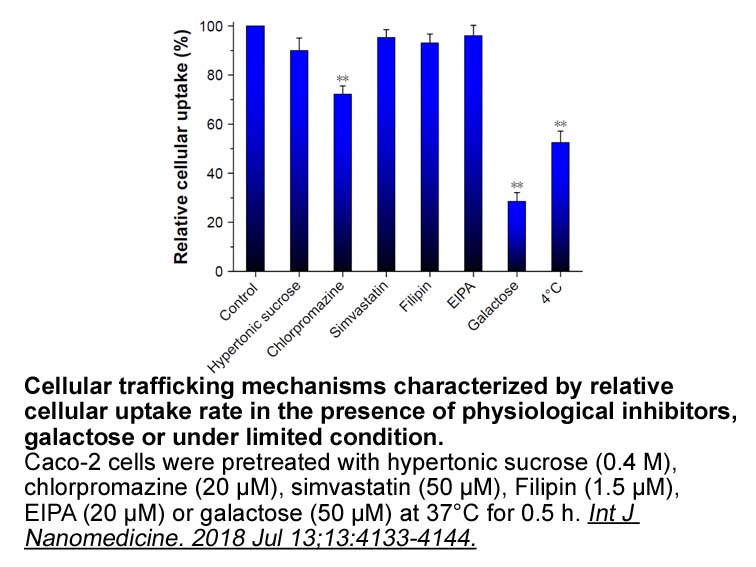
In total, 5 strains with relatively rapid acid-producing ability (MA14, 15M2, DQHXNQ38–12, 5G2, and 6G5) were selected for further analysis. Compared with the strains ATCC19435, ZN8, and D-XJ4–12, which were used as controls, these 5 strains exhibited significantly different growth and titratable ac
-
Introduction galactosidase d galactoside galactohydrolase
2022-04-09
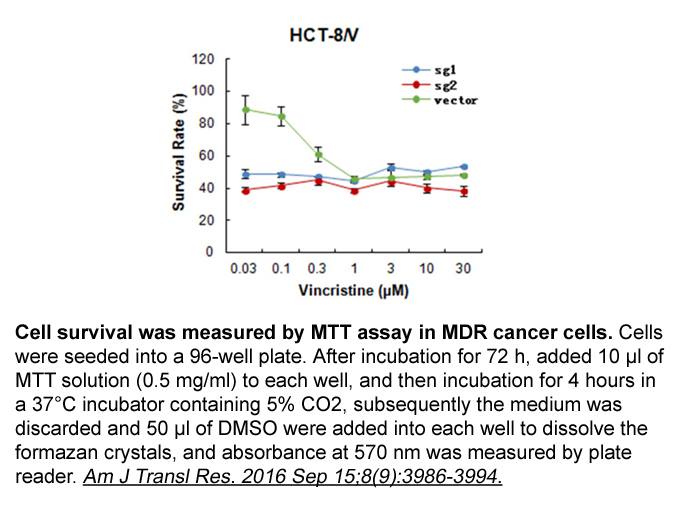
Introduction β-galactosidase (β-d-galactoside galactohydrolase or lactase; EC 3.2.1.23) is an important type of glycoside hydrolase that can catalyze the conversion of lactose to apoptosis pathway and galactose. Furthermore, it can also catalyze transglycosylation reactions, which are usually used
-
br Materials and methods br Results and discussion
2022-04-09
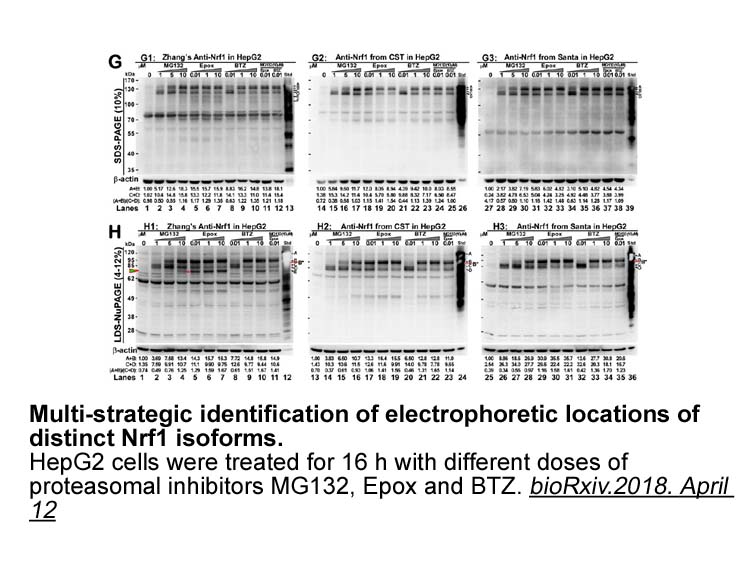
Materials and methods Results and discussion Conclusions Acknowledgments The authors are grateful to Dr. N. Prevete for providing the human AGS shCTR and AGS shFPR2 cells. This work was supported by POR Campania FSE 2007-2013 Project CREME and Ministry of Health, Italy, RF-2011-02349269.
16817 records 513/1122 page Previous Next First page 上5页 511512513514515 下5页 Last page